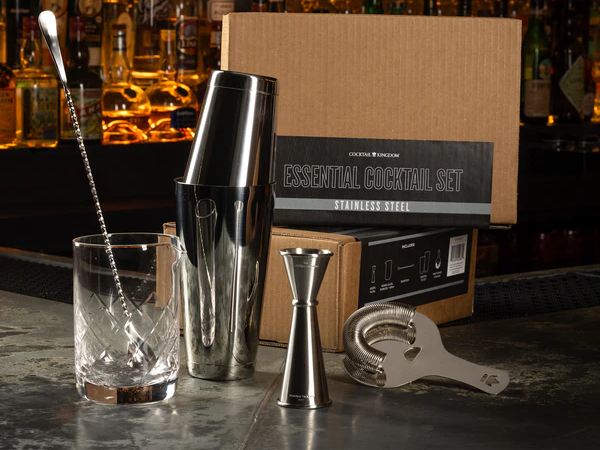
Key takeaway: Hobbies are a great way to make new friends. 5 hobbies: home brewing, flyfishing, ham radio, photography, and makerspace woodworking are affordable to start, with great communities behind them.
I read an article the other day about how loneliness is one of the biggest problems for freelancers and remote workers. Freelancing alone can be pretty stressful as you alone have to worry about driving business and making sure clients are paying on time. Yet one of the biggest complaints is just plain feeling isolated, something that a lot of aging men can identify with as well.
As you get older, whether it’s empty nest syndrome, retirement, or a job change, you can be left with more free time and fewer social connections. And that can lead to isolation, which nobody really talks about, but can be pretty serious, as it can lead to things like depression and cognitive decline.
As someone who is older and has worked remotely, I have experienced isolation firsthand. But something that worked out for me might work for you: Hobbies with built-in communities. Think clubs, classes, competitions, or just getting together with people who share the same core interest.
Below are 5 hobbies that can bring you together with others and what you need to start:
1. Homebrewing
Most brew clubs have monthly meetings where they discuss recipes, taste test, swap recipes, and even go on brewery tours.
The Starter Kit:
- Basic brewing equipment kit (fermenter, bottling bucket, airlock, siphon)
- Recipe kit for your first batch (something simple like a brown ale, which is very forgiving)
- Brewing book (How to Brew by John Palmer is the bible)
- Thermometer and hydrometer
- Star San sanitizer
Budget: $100-200 to start
Northern Brewer has a great brewing kit that has everything you need.
How to connect: American Homebrewers Association has a club finder, or search the internet for one near you.
2. Woodworking
In his retirement, my dad spent hours alone in the basement making birdhouses and anything someone would ask of him. I think he really enjoyed the solitude after years of dealing with the public. But these days, you don’t have to be alone with your craftsmanship if you don’t want to be. The community workshop scene has become really popular. Plus, you don’t even have to buy your own tools. For a monthly fee, you get access to things like table saws and laser cutters, and you work alongside other members.
The Starter Kit:
- Basic hand tools (chisels, hand saw, etc.)
- Safety gear (glasses, hearing protection, dust mask)
- Beginner project plan book (This is a good one)
- Wood glue and clamps
- Sandpaper assortment
Budget: $150-300 for tools, plus maker space membership ($50-150/month)
How to connect: Search for “maker space” in your city, or check with your local craft stores. If you’re just getting started, search for woodworking classes near you to learn the tools. Woodcraft is one company that offers weekend classes.
3. Flyfishing
This is a hobby that you’ll often see portrayed as an ‘alone’ activity, but in fact, fly fishing clubs have become pretty popular in the past few years. Outings with the club get you outside, and you learn how to cast and catch fish with experienced anglers. But clubs also like to make sure the streams that you fish in are as unpolluted as possible. Fly fishing clubs organize cleanups, support habitat restoration projects, and advocate for public water access. Plus, there’s the after-fishing fun where you swap stories over beers.
The Starter Kit:
- 5-weight fly rod combo
- Waders
- Basic fly assortment and a fly box
- An online learning course to get you familiar
Budget: $200-400 for tools
How to connect: Trout Unlimited has 400+ chapters that run beginner classes and guided trips. Also, Fly Fishers International is another great organization.
4. Photography
Photography is another solo hobby that can be surprisingly social. Not only have camera/photography clubs been around for decades, but there are photo walk groups who get together to explore neighborhoods and other interesting areas. The goal is to take photos and review them later over coffee or beers. This can often lead to trips to museums, competitions, gallery shows, and themed projects. It’s a fantastic way to meet people and get the creative juices flowing.
The Starter Kit:
-
- DSLR camera (I bought mine used, and it works great)
- 18-55MM lens
- Camera bag
- Memory cards and spare batteries
- Online beginner photography course through YouTube or Udemy
Budget: $300-600, unless you want to start with your smartphone first.
How to connect: Search for “camera/photography clubs” in your city. Also, Meetup.com is loaded with photo walk groups. Check your city’s Flickr groups or Instagram location tags. Many camera stores host free walks and workshops. It’s also worth checking out Scott Kelby’s Worldwide Photo Walk.
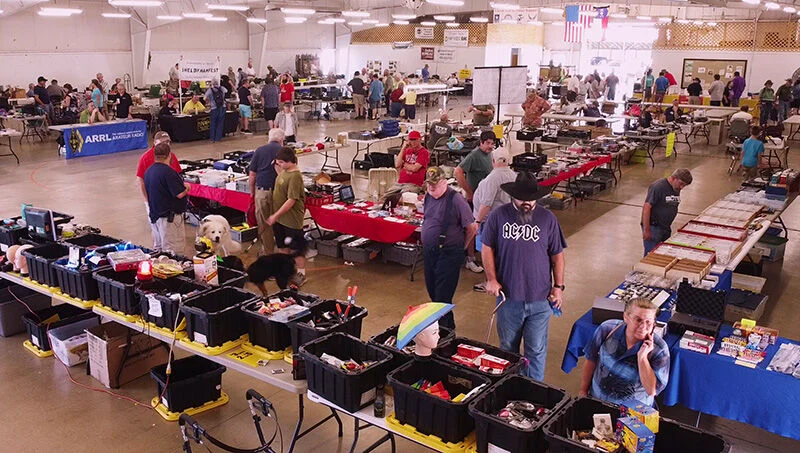
Photo courtesy of themountaineer.com
5. Amateur Radio
This one isn’t as popular as it used to be due to the internet and podcasts, but there’s still a fervent community around amateur radio. And ham radio operators love helping newcomers. Local clubs, also known as Elmers, offer free licensing classes, equipment loans, and mentorship. Plus, you get to talk to people all across the globe, which is pretty cool. There are also all kinds of events, like ‘hamfests’, which are swap meets, and field day events happen every June, which is 24 hours of outdoor operating, food, and friends.
The Starter Kit:
- Handheld VHF/UHF radio
- Licensing study guides
- AARL ham radio license
- Headseat
- External antenna
Budget: $50-100, plus $35 licensing fee
How to connect: AARL has a club finder with 2,000-plus clubs. Most meet monthly and run weekend classes before exam sessions. Once you are licensed, you can join local repeaters and on-air meetings called nets.